Sketchley Hill Primary School
  • Home
  • About Us
    • Head Teacher welcome
    • Vision Statement
    • Relationships Policy
    • School Organisation
    • The School Day
    • Governing Team
    • Vacancies
    • Finance
    • Contact Us
  • Key Information
    • Term Dates
    • School Development Plan
    • 2024-25 Achievement
    • 2023-24 Achievement
    • 2022-23 Achievement
    • Admissions
    • Policies
    • Ofsted
    • Mental Health & Wellbeing
    • SEND
    • Pupil Premium Report
    • Pupil Premium information
    • PE DFE Funding Report
    • Sustainability
    • Music Development Plan
    • Calendar
    • Teacher Training
  • Safeguarding
    • Safeguarding
    • E-Safety
    • Anti-Bullying
  • Lunch menus
  • Parent Information
    • Newsletters
    • SATs Test information
    • Do I need to keep my child off school?
    • Sketchley Wraparound Care
    • Residentials
    • PTA
    • School Uniform
    • Music at our school
    • Our School
    • Extra Curricular Activities >
      • School Council
      • History Club
      • Book Club
      • Swimming
      • ECO Warriors
    • FS Phonics Sounds
    • Literacy Support at Home
    • Maths Support at Home
    • Parent Workshops
  • The Grand Plan
    • Autumn Term
    • Spring Term
    • Summer Term
  • Curiosity Curriculum

Electricity

Year 4
  • identify common appliances that run on electricity
  • construct a simple series electrical circuit, identifying and naming its basic parts, including cells, wires, bulbs, switches and buzzers
  • identify whether or not a lamp will light in a simple series circuit, based on whether or not the lamp is part of a complete loop with a battery
  • recognise that a switch opens and closes a circuit and associate this with whether or not a lamp lights in a simple series circuit
  • recognise some common conductors and insulators, and associate metals with being good conductors
​Year 6
  • associate the brightness of a lamp or the volume of a buzzer with the number and voltage of cells used in the circuit
  • compare and give reasons for variations in how components function, including the brightness of bulbs, the loudness of buzzers and the on/off position of switches
  • use recognised symbols when representing a simple circuit in a diagram
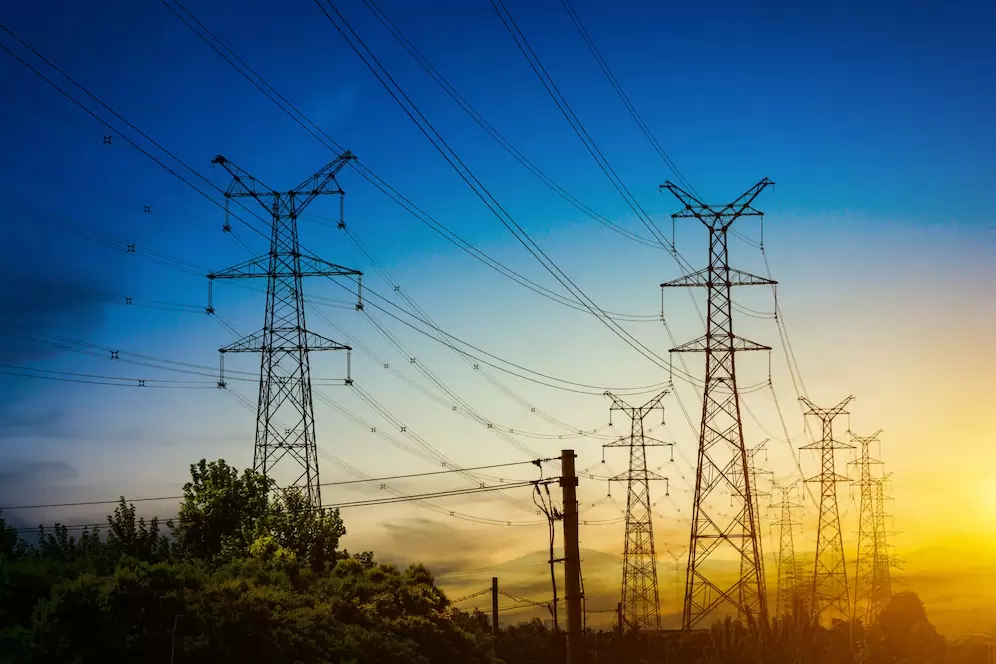
Image by pvproductions on Freepik
Picture
Image by evening_tao on Freepik

Key Vocabulary
Useful Links
Vocabulary by year group
Electricity for Kids | What is Electricity? Where does Electricity come from? - YouTube
What is Electricity? | BBC Bitesize | science - YouTube
Electricity - KS2 Science - BBC Bitesize
Sketchley Hill Primary School | Sketchley Road, Burbage, Leicestershire | LE10 2DY | Tel: 01455 238640 
Email: ​[email protected] | Headteacher - Mr. Lee | Business Manager - Mrs. Thrussell | SEND Co-ordinator - Mrs. Pegley & Mrs. Moore
  |  Website by Primaryworld    
  • Home
  • About Us
    • Head Teacher welcome
    • Vision Statement
    • Relationships Policy
    • School Organisation
    • The School Day
    • Governing Team
    • Vacancies
    • Finance
    • Contact Us
  • Key Information
    • Term Dates
    • School Development Plan
    • 2024-25 Achievement
    • 2023-24 Achievement
    • 2022-23 Achievement
    • Admissions
    • Policies
    • Ofsted
    • Mental Health & Wellbeing
    • SEND
    • Pupil Premium Report
    • Pupil Premium information
    • PE DFE Funding Report
    • Sustainability
    • Music Development Plan
    • Calendar
    • Teacher Training
  • Safeguarding
    • Safeguarding
    • E-Safety
    • Anti-Bullying
  • Lunch menus
  • Parent Information
    • Newsletters
    • SATs Test information
    • Do I need to keep my child off school?
    • Sketchley Wraparound Care
    • Residentials
    • PTA
    • School Uniform
    • Music at our school
    • Our School
    • Extra Curricular Activities >
      • School Council
      • History Club
      • Book Club
      • Swimming
      • ECO Warriors
    • FS Phonics Sounds
    • Literacy Support at Home
    • Maths Support at Home
    • Parent Workshops
  • The Grand Plan
    • Autumn Term
    • Spring Term
    • Summer Term
  • Curiosity Curriculum